Finding Budget Blazers That Look High-End
If you’re on the hunt for a blazer that screams sophistication without emptying your wallet, you’re in the right place. Finding a budget blazer that looks high-end might seem like a tall order, but with a little savvy shopping and a keen eye, it’s absolutely doable. Let’s dive into some simple yet effective tips that will help you score a blazer that looks like it costs ten times what you paid.
Know Your Fabrics: The Foundation of a Luxe Look
When it comes to making a blazer look expensive, the fabric is everything. You don’t need to shell out for cashmere or silk to get a polished look. Fabrics like wool blends, cotton, and even certain synthetics can give off a luxurious vibe when chosen wisely. Avoid anything too shiny or stiff—these are dead giveaways of a cheaper garment. Instead, look for fabrics that have a nice drape and a bit of texture. A wool-polyester blend, for instance, can give you the warmth and weight of wool without the hefty price tag.
You can also play with textures like tweed, herringbone, or velvet, which often look more expensive than they actually are. A tweed blazer, for instance, not only looks classy but also adds a touch of vintage flair to your wardrobe. The key is to feel the fabric; it should have some weight to it and move naturally when you wear it. A blazer that feels like cardboard is never going to fool anyone into thinking it’s high-end.
Pay Attention to Fit: Tailoring Tricks on a Budget

Fit is another major factor that can make or break the look of a blazer. Even a $50 blazer can look like it’s worth hundreds if it fits you well. The good news is, you don’t have to splurge on custom tailoring. Start by choosing a blazer that fits well in the shoulders, as this is the hardest part to alter. The blazer should sit neatly across your shoulders without any pulling or bunching. If it passes the shoulder test, you’re already halfway to a luxe look.
From there, consider making small, inexpensive adjustments to the blazer. Taking in the waist or shortening the sleeves are relatively simple alterations that can make a world of difference. Many budget blazers come with longer sleeves, which can overwhelm your frame and make the blazer look cheap. By shortening the sleeves just enough to show a bit of your shirt cuff, you instantly elevate the entire outfit. If you’re handy with a needle, you can even make these adjustments yourself, saving even more money while achieving a custom fit.
Details, Details, Details: How to Spot a Quality Blazer
The devil is in the details when it comes to finding a blazer that looks high-end. Take a closer look at the stitching, buttons, and lining—these small elements can reveal a lot about the blazer’s quality. First, examine the stitching. A well-made blazer will have neat, even stitches that lie flat against the fabric. If you notice loose threads or uneven stitches, it’s a sign the blazer was rushed through production.
Next, pay attention to the buttons. High-end blazers often feature buttons made of horn, mother-of-pearl, or other quality materials. While you might not find these materials on a budget blazer, you can still opt for buttons that look substantial and are sewn on securely. If the blazer you’re eyeing has cheap plastic buttons, consider replacing them with nicer ones. This small change can significantly enhance the overall look without costing much.
Finally, check the lining. A fully lined blazer usually looks more expensive than one that’s unlined. The lining should be smooth and well-stitched, with no puckering or pulling. Some budget blazers cut corners with poorly made linings, which can cause discomfort and detract from the appearance. If you find a blazer with a high-quality lining, it’s often a sign that the rest of the garment is well-made, too.
Shopping Savvy: Where to Find Luxe-Looking Blazers
Now that you know what to look for, where should you start your search? Thrift stores, outlet malls, and online sales are treasure troves for finding blazers that won’t break the bank. Thrift stores, in particular, are great for scoring vintage or designer pieces at a fraction of their original price. It might take some digging, but the payoff can be huge—especially if you’re looking for something unique.
Outlet malls are another fantastic option, especially if you’re aiming for high-end brands. Many brands offer past-season items at significant discounts, meaning you can get a high-quality blazer without paying full price. Just be sure to inspect the blazer for any signs of damage or wear, as outlet items sometimes have minor imperfections.
Lastly, don’t underestimate the power of online sales. Websites like ASOS, Zara, and even Amazon offer stylish blazers at budget-friendly prices. Keep an eye out for seasonal sales, clearance events, and discount codes to maximize your savings. And remember, always read customer reviews before making a purchase to ensure you’re getting a blazer that lives up to its online photos.
Final Thoughts: Looking High-End Without the High Price
You don’t need to spend a fortune to look like you did. By focusing on fabric, fit, details, and savvy shopping, you can easily find a budget blazer that looks high-end. The key is to be patient, do your research, and never settle for less than what makes you feel confident and stylish. With these tips, you’ll be turning heads in your new blazer, and only you will know how little you actually spent.
The Power of Tailoring for a Custom Look
When it comes to looking sharp, nothing beats the magic of tailoring. Even the most luxurious blazer can look sloppy if it doesn’t fit you properly, and that’s where tailoring steps in to save the day. Tailoring can turn an average off-the-rack blazer into a piece that looks like it was made just for you. The best part? You don’t need to be a millionaire to afford it. With a few simple adjustments, you can achieve a custom look that elevates your style game to the next level.
Why Fit Matters More Than Price
You might think that spending a lot on a blazer is the only way to look sophisticated, but the truth is, fit matters more than price. You could buy the most expensive blazer in the store, but if it’s too big or too small, it’s not going to do you any favors. On the other hand, a well-fitted blazer, even if it’s budget-friendly, can make you look like a million bucks. Tailoring allows you to tweak and perfect the fit, ensuring that every seam flatters your body.
So, what should you focus on when tailoring a blazer? Start with the shoulders. A blazer should fit perfectly across your shoulders because this area is the hardest to alter. If the shoulders fit well, a tailor can easily adjust other parts like the waist, sleeves, and length. The result? A blazer that contours your body, highlights your best features, and gives you that polished, put-together look.
Simple Alterations for a Big Impact
You don’t need to overhaul your entire wardrobe to reap the benefits of tailoring. Sometimes, small adjustments can make a huge difference. For example, shortening the sleeves of your blazer is a quick and affordable alteration that can instantly improve your appearance. The ideal sleeve length should allow about half an inch of your shirt cuff to show. This subtle detail adds a touch of sophistication and shows that you pay attention to the finer points of dressing well.
Another simple alteration is taking in the sides of your blazer. Many off-the-rack blazers are designed to fit a wide range of body types, which means they often have extra fabric around the waist. A good tailor can nip in the waist, giving the blazer a more fitted and streamlined look. This adjustment creates a flattering silhouette, making your blazer look custom-made.
If you’re feeling adventurous, you might even consider adjusting the length of your blazer. While this is a more advanced alteration, shortening the blazer slightly can create a modern, stylish look that complements your proportions. Just be sure to consult with your tailor to determine the best length for your body type. A blazer that’s too long or too short can throw off the balance of your entire outfit.
Finding a Good Tailor: Your Style’s Best Friend

Finding the right tailor is like finding a good barber or hairstylist—it can completely transform your look. A skilled tailor understands how clothes should fit your body and can make precise adjustments to achieve that perfect fit. So, how do you find a tailor who’s up to the task? Start by asking for recommendations from friends or family members who always look sharp. Word of mouth is often the best way to find a reliable professional.
Once you’ve found a potential tailor, don’t be afraid to ask questions. A good tailor will take the time to understand your needs and explain what alterations are possible. It’s also a good idea to start with a simple alteration, like hemming a pair of pants or shortening blazer sleeves, to see how the tailor handles the job. If you’re happy with the results, you can then trust them with more complex alterations.
Remember, tailoring is a partnership. The more you communicate with your tailor, the better the results will be. Don’t hesitate to express your preferences and ask for advice on what will work best for your body type. A tailor who listens and offers guidance is worth their weight in gold—and they’ll help you build a wardrobe that fits you perfectly.
When to Invest in Tailoring
While tailoring can do wonders for your wardrobe, it’s important to know when to invest in it. Not every piece of clothing is worth the cost of alteration. Before taking a blazer to the tailor, consider the overall quality of the garment. If the fabric is durable and the construction is solid, then tailoring is likely a good investment. On the other hand, if the blazer is poorly made or won’t hold up over time, it might not be worth the extra expense.
Another factor to consider is how often you plan to wear the blazer. If it’s a staple in your wardrobe that you’ll wear frequently, like a classic navy or charcoal blazer, then tailoring is a smart move. You’ll get plenty of wear out of it, and the improved fit will make you look and feel confident every time you put it on. For special occasions, like a wedding or a big event, tailoring is also worth the investment, as it ensures you’ll look your best when it matters most.
The Confidence Boost of a Custom Look
There’s something about wearing a perfectly tailored blazer that just feels right. It’s not just about looking good—it’s about feeling good, too. When your clothes fit you perfectly, you naturally stand a little taller and carry yourself with more confidence. That confidence radiates through everything you do, whether you’re giving a presentation at work, going on a date, or simply walking down the street.
Tailoring gives you the power to create a wardrobe that’s uniquely yours. It allows you to take control of your style and present the best version of yourself to the world. So, the next time you buy a blazer, don’t just settle for a good fit—go for a great fit. With the help of a skilled tailor, you can turn an ordinary piece of clothing into something extraordinary, and enjoy the confidence that comes with a truly custom look.
Accessorizing to Enhance Your Blazer

A blazer is a powerful piece in any wardrobe, but the right accessories can take it from good to great. Whether you’re dressing up for a formal event or keeping it casual for a night out, how you accessorize can completely change the vibe of your outfit. The beauty of accessorizing is that it allows you to express your personal style while adding a touch of flair to your look. Let’s dive into some easy ways to enhance your blazer with accessories that are stylish, versatile, and, most importantly, fun!
The Power of a Pocket Square

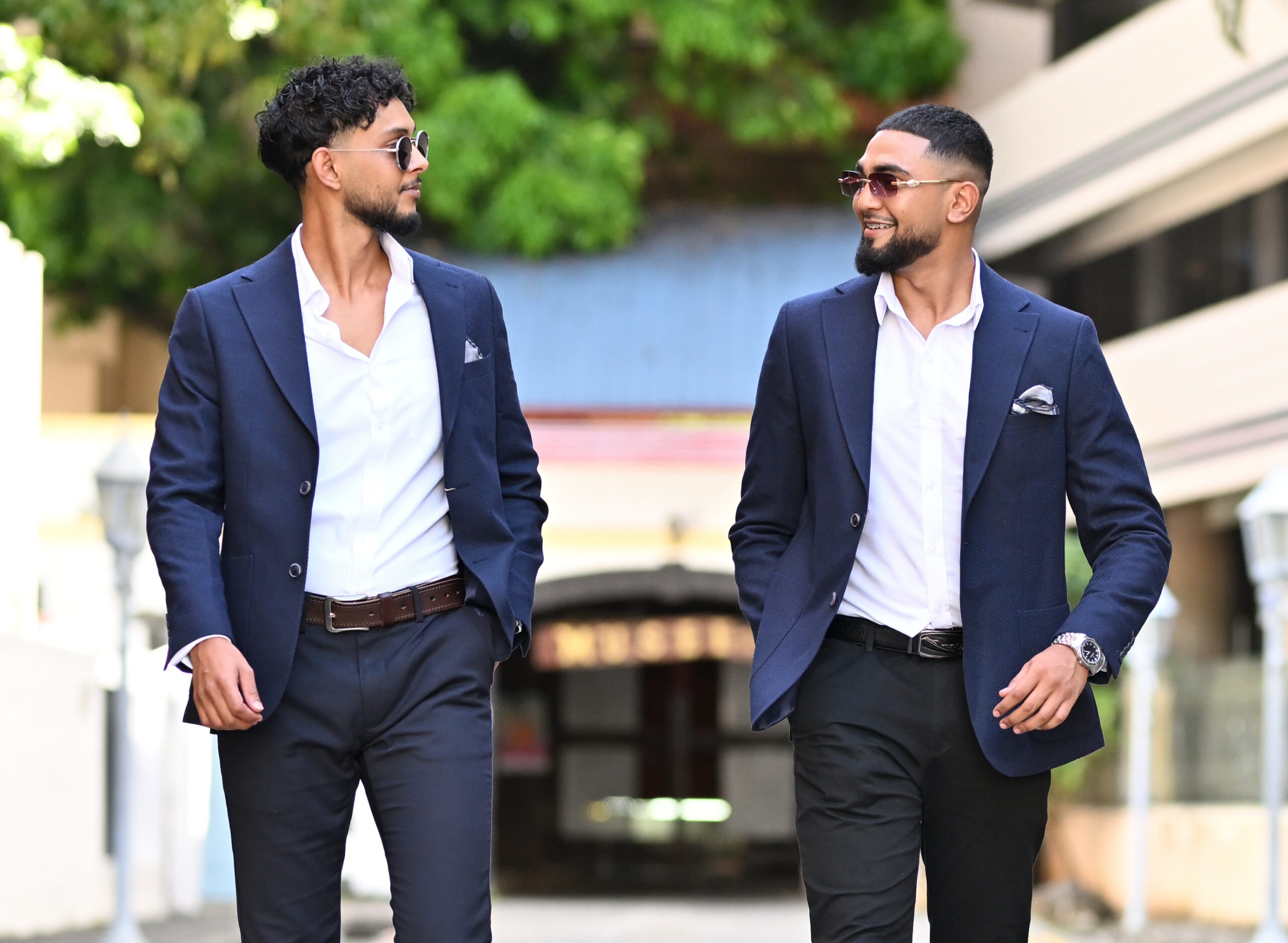
If there’s one accessory that can instantly elevate your blazer, it’s the pocket square. This small piece of fabric might seem insignificant, but it has the power to transform your outfit. The best part? There’s a pocket square for every occasion. From bold patterns to subtle textures, the options are endless, so you can always find one that suits your style.
For a classic, timeless look, opt for a crisp white pocket square. It’s the perfect way to add a touch of elegance without being too flashy. You can’t go wrong with this one, especially if you’re wearing a dark blazer—it creates a striking contrast that draws the eye. If you’re feeling adventurous, try a patterned or colorful pocket square. Polka dots, paisley, or even a bright pop of color can add personality to your outfit and show off your creative side.
The way you fold your pocket square also matters. A simple straight fold works well for formal settings, while a puff fold gives a more relaxed, casual vibe. If you’re looking to make a statement, experiment with more intricate folds like the crown or the three-point. The key is to have fun with it—after all, accessorizing is all about letting your style shine!
Cufflinks: Small Details, Big Impact
Cufflinks might be small, but they make a big impact when it comes to accessorizing your blazer. These little pieces of jewelry are more than just functional—they’re a chance to add a bit of luxury and sophistication to your outfit. Whether you’re attending a wedding, a business meeting, or a formal dinner, cufflinks can take your blazer game up a notch.
When choosing cufflinks, think about the overall theme of your outfit. If you’re going for a sleek, modern look, opt for minimalist designs in silver or gold. These metals are timeless and versatile, making them a safe bet for almost any occasion. On the other hand, if you want to add a touch of personality, go for cufflinks with a bit of color or an interesting design. From monograms to quirky shapes, there’s a pair of cufflinks out there that perfectly reflects your style.
One of the best things about cufflinks is that they’re a subtle way to show off your attention to detail. Even if the rest of your outfit is relatively simple, a well-chosen pair of cufflinks can make you look polished and put together. Just be sure to match your cufflinks with your other accessories, like your watch or belt, to create a cohesive look.
Belts and Shoes: The Perfect Match

Belts and shoes are often overlooked when it comes to accessorizing, but they play a crucial role in completing your blazer look. The right belt can tie your outfit together, while the right shoes can set the tone for the entire ensemble. The key is to ensure that these two accessories complement each other, creating a harmonious look from head to toe.
When wearing a blazer, your belt should be sleek and understated. Leather is the best choice, as it’s both durable and stylish. Black or brown belts are versatile and can be paired with almost any blazer. Just be sure to match your belt with your shoes—this is a simple rule that makes a huge difference in how polished your outfit appears.
Speaking of shoes, the type of footwear you choose can dramatically change the feel of your blazer look. For a formal occasion, you can’t go wrong with classic leather oxfords or brogues. These shoes add a touch of sophistication and pair perfectly with a well-tailored blazer. If you’re going for a more relaxed, casual vibe, loafers or even clean white sneakers can do the trick. The key is to match the style of your shoes with the overall vibe of your outfit, ensuring that everything works together seamlessly.
Ties and Bow Ties: Adding a Touch of Class
Ties and bow ties are the go-to accessories for adding a touch of class to your blazer. Whether you’re heading to a wedding, a formal event, or just want to look sharp, these accessories can make all the difference. The beauty of ties and bow ties is that they come in countless styles, colors, and patterns, so you can always find one that suits your mood and the occasion.
If you’re looking for a classic, refined look, stick with a silk tie in a solid color or subtle pattern. Navy, burgundy, and charcoal are all excellent choices that pair well with most blazers. For a bit of flair, try a tie with a bold pattern, like stripes or checks. Just be sure to keep the rest of your outfit simple if you’re going with a statement tie—this ensures that your look stays balanced.
Bow ties are another fantastic option, especially if you want to stand out. They’re a bit more playful than traditional ties and are perfect for special occasions where you want to make an impression. When choosing a bow tie, consider the shape as well as the color and pattern. Butterfly and batwing shapes are the most common, but you can also experiment with diamond or pointed tips for something different.
Watches and Bracelets: The Finishing Touches
No blazer look is complete without a few finishing touches, and that’s where watches and bracelets come in. A well-chosen watch can add a dash of sophistication to your outfit, while a bracelet can introduce a bit of texture and interest. The key is to keep things balanced—too many accessories can overwhelm your look, while too few might leave it feeling incomplete.
When it comes to watches, think about the style of your blazer and the occasion. A classic leather strap watch works well with almost any blazer, while a metal band watch adds a bit of edge and formality. If you’re going for a more casual look, consider a minimalist watch with a fabric strap. The goal is to choose a watch that complements your blazer without stealing the show.
Bracelets are a great way to add some personality to your blazer look. Leather bracelets are versatile and can be worn with both formal and casual outfits. Beaded bracelets, on the other hand, add a touch of bohemian charm. Just be sure to keep it simple—one or two bracelets are usually enough to enhance your outfit without overdoing it.
Color Coordination for a Polished Appearance
Getting your colors right can be the difference between a stylish look and a mismatched mess. Whether you’re dressing for a formal event or just want to look sharp, mastering color coordination is key to a polished appearance. The good news? It’s easier than you might think! With a few simple tips, you can create outfits that are not only stylish but also effortlessly coordinated. Let’s explore how you can use color to your advantage and make every outfit a hit.
Understanding the Basics: Neutrals Are Your Best Friend
When it comes to color coordination, neutrals are your best friend. Think of them as the foundation of your outfit—they’re versatile, timeless, and pair well with almost anything. Neutrals include colors like black, white, gray, navy, and beige. These shades are incredibly easy to mix and match, making them a great starting point for any look.
A neutral blazer, for example, can be paired with a wide range of colors and patterns, allowing you to create multiple outfits with just one piece. If you’re ever in doubt, stick to neutrals—they’re a foolproof way to ensure your outfit looks polished and put-together. And the best part? Neutrals never go out of style, so you can wear them season after season without missing a beat.
To add some depth to your outfit, consider combining different neutrals. A gray blazer with a navy shirt, for instance, creates a sophisticated look that’s still subtle and understated. You can also play with textures to keep things interesting—pair a tweed blazer with a crisp white shirt for a look that’s both classic and modern.
Adding a Pop of Color: Less Is More
While neutrals are great, a little color can go a long way in making your outfit stand out. The trick is to use color sparingly and strategically. Adding a pop of color to your outfit is like adding a splash of hot sauce to your meal—just enough to enhance the flavor, but not so much that it overpowers everything else.
One of the easiest ways to introduce color is through your accessories. A bright tie, pocket square, or pair of socks can add personality to your outfit without overwhelming it. For example, if you’re wearing a navy blazer, try adding a burgundy tie or a mustard pocket square. These colors complement navy beautifully and add just the right amount of interest to your look.
If you’re feeling bold, you can even try a colored blazer. Just be sure to balance it with neutral pieces so that the color doesn’t dominate the entire outfit. For instance, a forest green blazer pairs wonderfully with a white shirt and gray trousers. The key is to let the color shine without letting it take over.
Understanding Color Harmony: Complementary and Analogous Colors
Color harmony is all about finding colors that work well together. There are a few different ways to achieve this, but two of the most popular methods are complementary and analogous color schemes.
Complementary colors are opposite each other on the color wheel, such as blue and orange or red and green. When paired together, these colors create a vibrant and dynamic look. If you’re looking to make a statement, try incorporating complementary colors into your outfit. For example, a navy blazer with an orange tie can create a bold, eye-catching look that’s perfect for standing out in a crowd.
Analogous colors, on the other hand, are next to each other on the color wheel, like blue and green or red and orange. These colors tend to be more harmonious and pleasing to the eye. An analogous color scheme creates a more subtle, coordinated look that’s still interesting. For instance, pairing a blue blazer with a teal tie can create a smooth, cohesive look that’s easy on the eyes.
The key to using color harmony is balance. If you’re going for a complementary color scheme, consider keeping the rest of your outfit neutral to avoid clashing. With analogous colors, feel free to mix different shades and tones to create a layered, nuanced look.
Don’t Forget About Skin Tone: Choosing Colors That Flatter
While it’s important to think about how colors work together, it’s also crucial to consider how they work with your skin tone. Certain colors can make you look vibrant and healthy, while others might wash you out. Understanding which colors flatter your skin tone can help you make more informed choices when putting together your outfits.
If you have a cool skin tone, you’ll likely look best in colors with blue or purple undertones. Think shades like navy, gray, and emerald green. These colors will enhance your natural complexion and make you look your best. On the other hand, if you have a warm skin tone, earthy colors like olive green, mustard yellow, and warm browns are your best bet. These shades complement your skin’s natural warmth and create a harmonious look.
If you’re not sure whether you have a cool or warm skin tone, a simple trick is to look at the veins on your wrist. If they appear blue, you likely have a cool skin tone. If they appear green, you likely have a warm skin tone. Once you know your skin tone, you can start choosing colors that highlight your best features and make you feel confident and stylish.
The Finishing Touch: Confidence Is Key
No matter how well you coordinate your colors, the most important accessory you can wear is confidence. When you feel good in your outfit, it shows—and that’s the key to pulling off any look. Color coordination might seem intimidating at first, but with a little practice, you’ll start to see how easy it can be.
So next time you’re getting dressed, take a few extra minutes to think about your colors. Consider how they work together, how they complement your skin tone, and how they make you feel. With the right combination, you can create a polished, stylish look that turns heads for all the right reasons. And remember, fashion is meant to be fun—so don’t be afraid to experiment with colors and discover what works best for you!